Explore the diverse world of mechanical energy storage devices, from flywheels to gravitational systems, and discover how they power our modern technology and pave the way for a sustainable future.
Mechanical energy storage is a crucial aspect of modern technology, playing a significant role in various industries, from renewable energy systems to transportation. This article explores the different types of devices that store mechanical energy, their working principles, and their applications.
Understanding Mechanical Energy
Mechanical energy is the sum of potential energy and kinetic energy present in a system. It is a form of energy related to the position and motion of an object. Mechanical energy storage involves capturing energy in a mechanical form and releasing it when needed.
Types of Mechanical Energy Storage Devices
There are several devices designed to store mechanical energy efficiently. These devices utilize different principles and are suited to various applications. The primary types of mechanical energy storage devices include:
1. Flywheels
2. Springs
3. Compressed Air Energy Storage (CAES) Systems
4. Hydraulic Accumulators
5. Gravitational Energy Storage
1. Flywheels
Principle: Flywheels store energy by rotating a mass around an axis. The energy is stored as rotational kinetic energy.
Components: A flywheel system typically includes a rotor (the rotating mass), bearings, and a motor-generator system.
Applications: Flywheels are used in energy storage systems for power grids, regenerative braking systems in vehicles, and uninterruptible power supplies (UPS).
Advantages: High power density, long lifespan, and quick response time.
Challenges: High cost and energy loss due to friction and air resistance.
2. Springs
Principle: Springs store energy as potential energy when they are compressed or stretched.
Components: A spring energy storage system includes a spring and mechanisms to compress or stretch it.
Applications: Springs are commonly used in mechanical watches, toys, and some industrial machinery.
Advantages: Simple design, reliability, and immediate energy release.
Challenges: Limited energy storage capacity and wear over time.
3. Compressed Air Energy Storage (CAES) Systems
Principle: CAES systems store energy by compressing air and releasing it to generate electricity.
Components: A CAES system includes compressors, storage tanks, turbines, and generators.
Applications: Large-scale energy storage for power grids and backup power systems.
Advantages: Large energy storage capacity and long duration.
Challenges: Low overall efficiency and environmental concerns related to the use of fossil fuels in some systems.
4. Hydraulic Accumulators
Principle: Hydraulic accumulators store energy in the form of pressurized fluid.
Components: A hydraulic accumulator system includes a reservoir, hydraulic fluid, and a mechanism to pressurize the fluid (usually a pump).
Applications: Industrial machinery, hydraulic systems in vehicles, and renewable energy systems.
Advantages: High power density and ability to deliver energy quickly.
Challenges: Potential for leaks and the need for regular maintenance.
5. Gravitational Energy Storage
Principle: Gravitational energy storage involves lifting a mass to a height and releasing it to generate energy as it falls.
Components: A gravitational energy storage system includes a mass, a lifting mechanism (such as a winch or crane), and a generator.
Applications: Renewable energy systems, especially in conjunction with hydroelectric power plants.
Advantages: Long-term energy storage and low operational costs.
Challenges: Requires significant infrastructure and is location-dependent.
Emerging Technologies and Innovations
The field of mechanical energy storage is continually evolving, with new technologies and innovations emerging. Some promising areas include:
Advanced Flywheels: Development of high-speed flywheels with magnetic bearings and vacuum enclosures to reduce energy losses. Novel Spring Materials: Use of advanced materials, such as shape-memory alloys, to improve the energy storage capacity and durability of springs. Hybrid Systems: Integration of mechanical energy storage with other forms of energy storage, such as batteries, to enhance efficiency and performance.
Conclusion
Mechanical energy storage devices are integral to various applications, from stabilizing power grids to enhancing the efficiency of industrial machinery. Understanding the principles and applications of different mechanical energy storage devices helps in selecting the right solution for specific needs. As technology advances, we can expect even more efficient and versatile mechanical energy storage systems to emerge, contributing to a more sustainable and energy-efficient future.
Recirculating Aquaculture Systems (RAS) are an innovative approach to fish farming that focuses on recycling and reusing water within the system, making them a highly sustainable and efficient method of aquaculture. Unlike traditional aquaculture, where water is often exchanged with surrounding environments like rivers, lakes, or oceans, RAS operate in a mostly closed-loop system. In RAS, the water is continuously filtered, treated, and circulated through various components to maintain optimal conditions for aquatic life.
At the heart of a RAS is its ability to manage water quality. As fish or other aquatic organisms produce waste, the system captures and removes solids, converts harmful ammonia into less toxic forms through biofiltration, and replenishes essential elements like oxygen. This constant recirculation dramatically reduces the amount of water needed compared to open-water or flow-through systems, making RAS an environmentally friendly option, especially in regions with limited freshwater resources.
RAS are highly customizable and can be designed for a wide range of species, from freshwater fish like tilapia and catfish to high-value marine species like barramundi or shrimp. They allow for precise control over temperature, oxygen levels, ph, and other crucial parameters, leading to improved growth rates, better feed conversion, and reduced disease risks.
Thanks to their efficiency and ability to be located near urban centres, RAS are increasingly seen as the future of sustainable aquaculture. They enable year-round production, minimise environmental impact, and open up new opportunities for local seafood supply chains.
Why Understanding the Water Cycle is Essential for RAS Success
The water cycle within a Recirculating Aquaculture System (RAS) is the lifeblood of the entire operation. Every aspect of fish health, growth, and system efficiency relies heavily on maintaining high-quality water, and that starts with a deep understanding of how water moves, changes, and interacts within the system.
In RAS, water is continuously circulated through tanks, filters, biofilters, oxygenators, and sometimes disinfection units before returning to the fish. At each stage, the water undergoes physical, biological, and sometimes chemical changes. Understanding these changes — and knowing how to manage them — is crucial for maintaining a stable and healthy environment for aquatic organisms.
Poor management of the water cycle can quickly lead to a buildup of toxic substances like ammonia and nitrite, reduced oxygen levels, or the proliferation of harmful pathogens. These issues can stress fish, stunt growth, increase mortality rates, and cause significant financial losses. Conversely, a well-maintained water cycle supports robust fish health, faster growth, higher stocking densities, and better overall system profitability.
Moreover, a thorough knowledge of the water cycle helps operators anticipate and prevent problems before they escalate. It enables them to optimize system performance, reduce operational costs, and extend the lifespan of equipment like pumps and filters.
Mastering the water cycle also ties directly into sustainability goals. By minimising water waste, reducing the need for chemical treatments, and ensuring minimal environmental discharge, a well-managed RAS can operate as a closed, eco-friendly system that supports the growing global demand for sustainable seafood.
In short, understanding the water cycle isn’t just beneficial for RAS success — it’s absolutely essential. It transforms system operators from passive caretakers into proactive managers capable of fine-tuning their systems for peak performance and long-term viability.
Who Should Read This Guide?
This guide is designed for anyone interested in understanding, operating, or investing in Recirculating Aquaculture Systems (RAS). Whether you’re a complete beginner or someone with some experience looking to deepen your knowledge, this resource will provide valuable insights into mastering the complex but rewarding world of RAS water management.
Aspiring Aquaculture Entrepreneurs: If you’re considering starting a small-scale or commercial aquaculture operation, understanding how RAS work — especially how the water cycle functions — is critical to building a sustainable and profitable business from the ground up.
Home Aquaponics and Hobby Fish Farmers: Many hobbyists set up RAS-style systems at home to raise fish for personal consumption or as part of aquaponics setups. This guide will help home farmers manage water quality effectively to maintain healthy, thriving ecosystems in small spaces.
Students and Researchers: Those studying marine biology, environmental science, or aquaculture technologies will find this guide a useful resource for grasping practical applications of water cycle management in closed aquatic systems.
Commercial Fish Farmers Transitioning to RAS: Farmers currently working with traditional pond or flow-through systems who are interested in upgrading to more sustainable and controlled methods will gain a clearer roadmap for making the transition successfully.
Aquaculture Consultants and Technicians: Professionals who design, build, or maintain aquaculture systems need a strong understanding of water management principles. This guide can serve as both a refresher and a training resource for educating clients and teams.
Environmentalists and Sustainability Advocates: Those passionate about sustainable food production, water conservation, and eco-friendly technologies will appreciate how RAS offer real solutions to some of the environmental challenges associated with conventional aquaculture.
Investors and Policy Makers: As interest in sustainable aquaculture grows, investors and policymakers must understand the basics of RAS to make informed decisions about funding, regulations, and sustainable seafood initiatives.
The Basics of Recirculating Aquaculture Systems
Defining RAS: How They Differ from Traditional Aquaculture
Recirculating Aquaculture Systems (RAS) are a modern, highly efficient method of fish farming that stands in stark contrast to traditional aquaculture practices. Understanding the differences between these two approaches is essential for anyone considering entering the world of aquaculture, especially those focused on sustainability, water conservation, and consistent production.
What is RAS?
A Recirculating Aquaculture System is a closed-loop farming system where water is continuously filtered and reused within the setup. Instead of releasing wastewater into the environment and drawing in fresh water, RAS clean and treat the existing water, drastically minimizing water usage and environmental impact. In a well-designed RAS, up to 99% of the water can be recycled, requiring only minimal freshwater top-ups to replace losses from evaporation or cleaning.
Traditional Aquaculture Systems Explained:
Traditional aquaculture systems typically rely on either open-water environments (such as cages in lakes, rivers, and oceans) or flow-through pond setups. In these systems, water is continually replaced, flowing through the environment and carrying away waste. While these methods can be simpler and less expensive to establish, they also come with significant drawbacks, such as:
High water consumption
Risk of pollution and environmental degradation
Vulnerability to disease outbreaks from external sources
Seasonal production limits based on climate and water conditions
Why RAS is Gaining Popularity:
As freshwater resources become scarcer and environmental regulations tighten, RAS offers a sustainable solution for meeting the growing demand for seafood. Their ability to produce high-quality fish near major markets also reduces transportation costs and carbon footprints, making them an attractive option for eco-conscious entrepreneurs and investors. While traditional aquaculture has a long history and still plays a major role globally, RAS represents the future of fish farming — a future focused on sustainability, efficiency, and resilience. Knowing how RAS differs empowers beginners to make informed decisions about which method best aligns with their goals, resources, and commitment to responsible farming practices.
Core Components and Their Functions
Tanks: Housing the Fish
In Recirculating Aquaculture Systems (RAS), the tanks serve as the central housing for the fish, where they live, grow, and develop. The design, size, and configuration of these tanks are essential factors that determine the health and productivity of the fish, as well as the efficiency of the overall system. Understanding how tanks are designed and maintained is crucial for anyone looking to operate or optimise an RAS setup.
Purpose of Fish Culture Tanks
The primary role of the fish culture tank is to provide a safe and stable environment for the fish. These tanks house the fish while also allowing for the management of water quality parameters such as temperature, oxygen levels, ph, and ammonia concentration. The tank design ensures that fish have enough space to swim and grow, while minimising stress and maximising production efficiency.
Space for Growth: Adequate space in the tank is vital for the physical and mental well-being of the fish. Crowded conditions can lead to stress, disease outbreaks, and poor growth rates.
Water Quality Management: The tank must be designed in a way that allows for efficient water circulation, waste removal, and filtration, which ensures the water quality remains within ideal parameters for the fish.
Types of Tanks in RAS
RAS setups utilise several different types of tanks, each designed to meet specific needs based on the species being cultivated, system design, and space availability. Below are the most common types of tanks used in RAS:
Circular Tanks (Conical Bottom Tanks)
Circular tanks are the most commonly used type in RAS due to their ability to create water flow patterns that encourage waste collection in the center of the tank, where it can be easily removed. The conical bottom allows solid waste to settle at the bottom, where it can be removed by mechanical filtration.
Advantages: Circular tanks reduce dead spots where water may become stagnant, ensuring better water circulation and waste removal. These tanks are particularly beneficial for species that generate a high amount of waste, such as tilapia and trout.
Applications: Circular tanks are well-suited for medium- to large-scale operations and are used in systems where the efficient management of solid waste is a priority.
Rectangular and Square Tanks
These tanks are typically used for smaller-scale systems or where space constraints require a more compact design. While not as efficient in waste removal as circular tanks, rectangular tanks are often easier to set up and can be used in conjunction with other system components, such as trickling filters or biofilters.
Advantages: Rectangular tanks can be more space-efficient in certain system layouts, especially when space is at a premium.
Applications: They are often found in home-based or small-scale commercial systems, where the emphasis may be on cost-effectiveness or customisation for specific fish species.
Raceway Tanks
Raceway tanks are long, narrow tanks that allow water to flow continuously from one end to the other. This setup mimics natural stream environments and is typically used for fish species like trout and salmon that thrive in flowing water conditions. The design encourages water movement, allowing for a consistent flow of fresh water through the tank.
Advantages: Raceway tanks promote high water flow, which is ideal for species that require constant water movement, and they are efficient in terms of water circulation and oxygenation.
Applications: These tanks are often used in high-density systems or for species that are sensitive to stagnant water, such as salmonids.
Design Considerations for Fish Tanks
The design of a fish culture tank must take into account a variety of factors to optimise fish growth, water quality, and system efficiency. Some of the key design elements include:
Size and Stocking Density
The size of the tank plays a crucial role in determining the stocking density — the number of fish that can be kept in the tank without compromising their health or growth. Overstocking leads to poor water quality, higher disease risks, and stunted growth, while understocking can lead to inefficient use of resources.
Optimal Stocking Density: The stocking density will vary depending on the species being cultivated, the size of the fish, and the filtration capacity of the system. A well-calculated stocking density ensures that fish have enough space to grow and thrive.
Water Flow and Circulation
Proper water circulation is essential to ensure that waste is carried away from the fish and toward filtration systems. Tanks should be designed to maintain a gentle but consistent water flow to promote healthy fish movement and waste removal.
Water Circulation Patterns: Effective circulation can be achieved using pumps, aerators, and water inlets placed strategically in the tank to create circular or linear flow patterns that keep waste in motion.
Oxygenation and Gas Exchange
Oxygen is crucial for fish health, and fish tanks need to be designed to ensure that there is sufficient oxygenation throughout the tank. Aeration devices like air stones or diffusers, or even pure oxygen injection systems, may be used to maintain optimal dissolved oxygen (DO) levels.
Gas Exchange: Oxygen levels should be maintained above 5 mg/L in the water, and CO2 buildup must be monitored to avoid suffocating the fish. Good surface area exposure is key to facilitating gas exchange in the water.
Waste Removal and Settling Zones
Waste management is a critical aspect of RAS tank design. Tanks should be designed with a way to allow solid waste to settle, making it easier to remove it through mechanical filtration systems. Conical or sloped tank bottoms are commonly used to facilitate waste collection in a central location.
Waste Collection Efficiency: Tanks with efficient waste removal mechanisms, such as conical bottoms or settling tanks, ensure that solid waste doesn’t accumulate and affect water quality.
Tank Materials and Durability
The materials used to construct fish culture tanks are essential for ensuring the longevity of the system and maintaining a healthy environment for the fish. Common materials include:
Fibreglass: Durable, non-corrosive, and easy to clean, fibreglass tanks are widely used in RAS due to their strength and longevity.
Polyethylene: These tanks are lightweight, resistant to UV damage, and relatively inexpensive, making them a popular choice for small to medium-scale RAS systems.
Concrete: Concrete tanks are often used in large-scale, permanent RAS installations. They are durable and can be easily customised, but they require proper sealing and maintenance to prevent water leakage.
Plastic and PVC: These materials are often used for smaller tanks or for secondary filtration components. They are affordable and easy to work with, but may have a shorter lifespan than fibreglass or concrete.
Tank Maintenance and Cleaning
Regular maintenance and cleaning of the fish tanks are essential to prevent the buildup of algae, biofilm, and debris that could impact water quality and fish health. Depending on the system, tanks may need to be cleaned periodically to remove accumulated waste, algae, or buildup on the tank walls.
Maintenance Schedule: Establishing a cleaning schedule based on tank usage and species requirements is crucial. Some tanks, especially circular ones, are easier to clean due to their sloped designs, while others may require more frequent manual cleaning.
Fish culture tanks are a cornerstone of any Recirculating Aquaculture System, providing the essential environment for the fish to grow, thrive, and be harvested. Proper tank design, size, stocking density, water circulation, and waste management all contribute to the health of the fish and the efficiency of the entire RAS setup. Whether using circular, rectangular, or raceway tanks, understanding the factors that influence tank performance is key to achieving optimal results in a recirculating system.
Mechanical Filters: Removing Solid Waste
Mechanical filtration is one of the most critical stages in maintaining the health and efficiency of a Recirculating Aquaculture System (RAS). The primary role of mechanical filters is to remove solid waste, such as uneaten feed, faeces, and other debris, from the water before it continues to the biological filtration stage. Effective solid waste removal is essential for maintaining water clarity, minimising toxic buildup, and ensuring a healthy environment for the fish.
A. The Importance of Mechanical Filtration in RAS
Solid waste removal is crucial because:
Reduces Toxic Ammonia Levels: Uneaten food and fish waste decompose and release ammonia, which is highly toxic to fish. Removing solids before they break down limits ammonia production.
Prevents Biofilter Overload: Mechanical filters protect the biological filtration system by preventing excessive organic matter from reaching it, ensuring the biofilter focuses mainly on dissolved waste.
Improves Water Clarity: Clear water reduces fish stress and improves feeding behaviour and overall health.
Enhances System Efficiency: Less solid waste in the system means less maintenance, longer-lasting equipment, and more efficient recirculation processes.
B. Types of Mechanical Filtration Systems
Different RAS setups may use one or several types of mechanical filters depending on the species being raised, the size of the system, and specific water quality goals. Here are the most common types:
Drum Filters (Rotary Screen Filters)
Drum filters are widely used in modern RAS systems because they offer automatic, continuous filtration with minimal manual intervention.
How They Work: Water flows through a rotating drum covered with fine mesh screens. As solids accumulate on the screen, the drum rotates and sprays the waste into a collection trough while allowing clean water to pass through.
Advantages: Efficient, low-maintenance, and ideal for high-density fish populations.
Static Screen Filters (Fixed Screens)
A more straightforward option, static screens involve water flowing over or through a mesh or perforated surface where solids are trapped.
How They Work: Solids are collected on the screen surface and must be manually or semi-automatically cleaned off.
Advantages: Cost-effective and easy to install, making them suitable for smaller or low-budget systems.
Swirl Separators (Hydrocyclones)
Swirl separators use centrifugal force to separate heavier solid particles from the water.
How They Work: Water is injected tangentially into a cylindrical or conical chamber, creating a vortex. Heavier solids are pushed to the outer walls and collected at the bottom, while clean water exits through the top.
Advantages: Energy-efficient and excellent for removing large, heavy solids without needing moving parts.
Clarifiers (Settling Basins)
Clarifiers use gravity to allow solid particles to settle to the bottom of a tank.
How They Work: Water flows slowly through a settling chamber, giving solids time to settle out before the water exits at the top.
Advantages: Simple design with low operational costs, but requires a large footprint and regular manual cleaning.
Bead Filters
Bead filters combine mechanical and biological filtration. Small plastic beads inside a tank trap solid waste while also providing surface area for beneficial bacteria to colonise.
How They Work: Water passes through the bed, where solids are captured. Periodic backwashing flushes out the accumulated waste.
Advantages: Dual function (mechanical + biological), compact design, and highly efficient in small to medium RAS setups.
C. Key Factors to Consider When Choosing a Mechanical Filter
Selecting the right mechanical filtration system depends on several critical factors:
Fish Species and Size: Different species produce different amounts and types of waste. Larger fish like catfish or barramundi generate more solid waste than smaller species like tilapia or trout.
System Size and Flow Rate: Higher water volumes require more robust filtration systems to handle the increased load.
Desired Water Quality: Some high-value species, like sturgeon for caviar, demand pristine water conditions, requiring more advanced filtration methods.
Automation vs. Manual Maintenance: Some operators prefer fully automated systems (e.g., drum filters), while others may opt for simpler, manually cleaned screens to save on initial costs.
Budget and Space Constraints: More advanced filtration systems often come with higher costs and space requirements, influencing system design choices.
D. Maintenance of Mechanical Filters
Proper maintenance of mechanical filters is essential for ensuring they function efficiently:
Regular Cleaning: Accumulated solids must be removed regularly to prevent clogging and maintain water flow.
Inspection of Moving Parts: Systems with moving components, like drum filters, should be inspected for wear and tear to avoid operational failures.
Backwashing (for Bead Filters): Bead filters need periodic backwashing to flush out trapped solids without disrupting the biofilm.
Monitoring Flow Rates: Any sudden drops in flow rates could indicate blockages or maintenance needs.
Neglecting filter maintenance can lead to reduced water quality, increased ammonia and nitrite levels, and stress or disease outbreaks among the fish.
E. Integration with Other Filtration Stages
Mechanical filtration is just one part of a multi-stage RAS water treatment process:
Before Biological Filtration: Mechanical filters should remove most solids to protect the biofilter’s delicate bacterial colonies.
Before UV or Ozone Treatment: Solids can shield pathogens from UV light or ozone; removing them beforehand improves disinfection efficiency.
Impact on Water Recirculation Efficiency: Clean mechanical filtration means pumps and pipes stay cleaner, reducing energy consumption and maintenance needs across the entire system.
Mechanical filters play a vital role in Recirculating Aquaculture Systems by physically removing solid waste before it can break down and release harmful substances. Whether using drum filters, static screens, swirl separators, or clarifiers, the goal remains the same: maintain excellent water quality to support healthy, fast-growing fish. Choosing the right filtration method — and maintaining it properly — can significantly impact the success and sustainability of any RAS operation.
If you’re serious about catfish farming—whether on a small backyard scale or a commercial level—then installing an area filter for your catfish pond is not just a good idea; it’s a game-changer. Unlike regular filters used in aquariums or small water features, area filters are specifically designed to handle the high waste output and fluctuating conditions of outdoor fish ponds. They cover a larger area, process higher volumes of water, and offer multi-stage filtration that supports fish health, water clarity, and pond stability.
Catfish, being bottom feeders, produce a considerable amount of waste. Combine that with leftover feed and plant debris, and your pond can quickly become a murky, toxic mess if not properly filtered. Area filters act as the pond’s built-in cleaning crew. They continuously remove solid particles, convert harmful chemicals like ammonia into safer compounds through biological filtration, and improve oxygen levels throughout the water column.
What sets an area filter apart is its surface coverage and efficiency. It’s designed to manage the entire pond, not just a small corner. These filters typically combine mechanical filtration (to trap solids), biological filtration (to break down harmful substances), and sometimes even UV or chemical filtration to kill pathogens and balance ph. The result? A healthier environment allows your catfish to grow faster, stay disease-free, and produce higher yields.
Many modern area filters are modular, meaning you can adjust their capacity based on your pond size and stocking density. Whether you’re operating a tarpaulin-lined pond, an earthen pond, or a concrete tank, there’s an area filter system that can be adapted to fit. Some systems even integrate aeration, adding more dissolved oxygen into the water—something catfish absolutely need to thrive.
In summary, an area filter for catfish ponds is like the heart of your aquaculture system—it circulates, purifies, and sustains life. Without one, you’re swimming upstream. But with the right filter setup, your catfish farm can flourish with minimal headaches and maximum productivity.
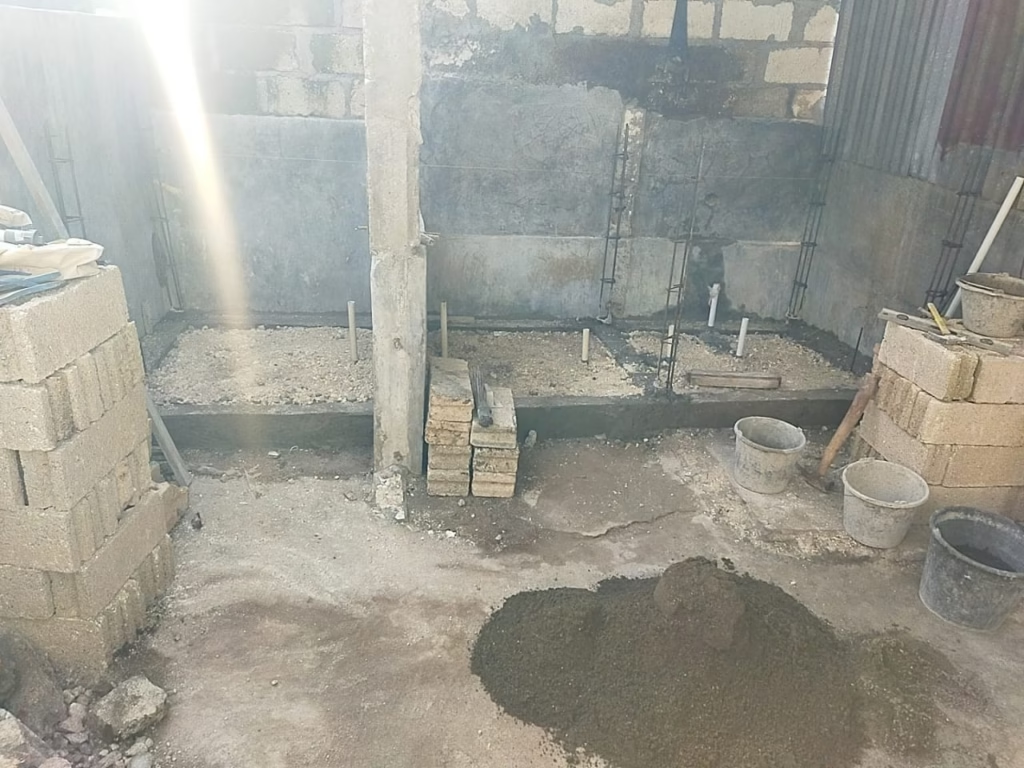
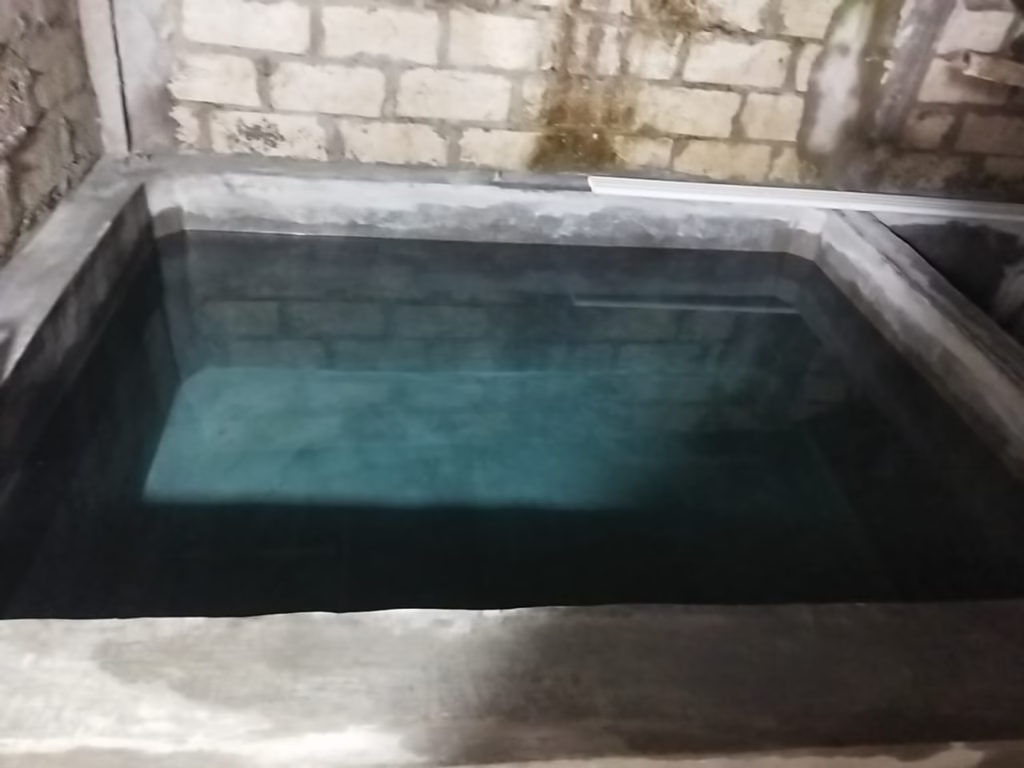
Water Filter Tank Making Process 1.
Introduction to Catfish Farming
Catfish farming is quickly becoming one of the most profitable and accessible types of aquaculture around the world. Known for their resilience, fast growth, and high market demand, catfish are an ideal choice for both beginner and experienced fish farmers. Whether you’re managing a small backyard pond or running a commercial operation, catfish offer a low-risk, high-reward opportunity that’s hard to ignore.
One of the major attractions of catfish farming is its low startup cost and ease of maintenance. You don’t need expensive equipment or a massive amount of land to get started. In fact, many small-scale farmers use tarpaulin ponds or concrete tanks, which are affordable and easy to manage. Even with minimal investment, farmers can grow hundreds or even thousands of catfish to market size within a matter of months.
Catfish are known for their hardy nature, meaning they can tolerate a wide range of environmental conditions. This makes them less susceptible to disease compared to other fish species like tilapia or trout. Plus, they’re not picky eaters—they’ll thrive on commercial feed, kitchen scraps, or locally available ingredients, which helps keep feeding costs low.
The market demand for catfish is also growing rapidly. With its firm, white flesh and mild flavour, catfish is a favourite in many cuisines. It’s rich in protein, low in fat, and loaded with essential nutrients like omega-3 fatty acids. As more consumers turn to healthier sources of animal protein, catfish remains a top choice—both for local markets and export.
That said, catfish farming isn’t without its challenges. Like any livestock venture, success depends heavily on proper management—especially when it comes to water quality, stocking density, and feeding. Poor water management is one of the leading causes of disease and fish death, which is why components like filtration systems, especially area filters, are absolutely essential.
In short, catfish farming offers a smart, scalable way to build income and food security. With the right setup and knowledge, anyone can turn a humble pond into a thriving, money-making fish farm.
Why Catfish Farming is Growing in Popularity
Catfish farming has exploded in popularity over the past decade, and for good reason. It’s no longer just a side hustle for hobbyists or rural farmers—today, it’s a thriving commercial venture with enormous growth potential. The increasing demand for affordable, high-quality protein and the flexibility of catfish farming have made it a top choice for aspiring entrepreneurs and seasoned aquaculturists alike.
One of the main reasons catfish farming is booming is because of its profitability and low entry barrier. Unlike other types of livestock farming that require large land areas, heavy machinery, or expensive infrastructure, catfish farming can be started on a small scale with limited resources. A simple tarpaulin pond or a few concrete tanks in a backyard can produce hundreds of kilograms of fish. With basic tools and locally available materials, anyone can set up a functioning system in a matter of days.
The growth rate of catfish also contributes to its popularity. Catfish grow rapidly and can reach market size (about 1 to 1.5 kg) in as little as 5 to 6 months under optimal conditions. This fast turnaround means farmers can have multiple harvests per year, leading to consistent cash flow and faster returns on investment. The species’ ability to survive in various water conditions and their resistance to many diseases make them far easier to manage than other aquaculture options.
From a market perspective, catfish are in high consumer demand. Their firm, boneless fillets are popular in both local dishes and international cuisines. With rising awareness of healthy eating, people are looking for lean, protein-rich alternatives to red meat—and catfish fits the bill perfectly. It’s also more affordable than tilapia or salmon, making it an ideal protein source for low and middle-income households.
Additionally, governments and NGOs in many countries are now supporting fish farming initiatives as a way to boost food security, employment, and local economies. Training programs, micro-loans, and subsidies have made it easier than ever for individuals to start catfish farms.
All these factors combined—low startup costs, fast growth, high market demand, and government support—explain why catfish farming is rapidly gaining traction and becoming one of the fastest-growing sectors in aquaculture today.
Challenges in Catfish Farming
While catfish farming is full of potential and opportunity, it’s not all smooth sailing. Like any business, it comes with its fair share of challenges. Some of these hurdles can be managed with knowledge and preparation, while others may test even the most experienced fish farmers. Understanding these challenges is crucial if you want to run a successful, long-term catfish farming operation.
One of the biggest challenges is water quality management. Catfish, despite being hardy, still require clean and balanced water to thrive. In a pond filled with fish, uneaten feed, and organic waste, ammonia and nitrite levels can spike rapidly. Poor water conditions can stress the fish, weaken their immune systems, and lead to serious disease outbreaks. Without a reliable filtration system—like an area filter—managing water quality becomes a never-ending struggle.
Feeding inefficiency is another common issue. Overfeeding not only wastes money but also leads to uneaten food sinking to the bottom, rotting, and polluting the water. Underfeeding, on the other hand, slows down growth rates and can cause aggressive behavior like cannibalism. Striking the right balance takes practice, observation, and sometimes trial and error.
Disease management also presents a major challenge. Bacterial infections, parasites, and fungi can spread rapidly in a densely stocked pond. A single infected fish can compromise the entire system if not caught early. Without proper quarantine procedures, water testing, or proactive health checks, a farm can suffer devastating losses in a matter of days.
Then there’s the issue of overcrowding. Many beginners make the mistake of stocking too many fish in a limited space, thinking more fish equals more profit. Unfortunately, this leads to stress, competition for food, reduced oxygen levels, and higher mortality rates. Stocking density must be managed carefully to ensure healthy growth and sustainable output.
Lastly, market access and pricing fluctuations can affect profitability. While catfish are in high demand, selling them at the right time and price requires some strategy. Without a solid market plan, farmers risk harvesting fish with no buyers lined up—or worse, selling below cost due to oversupply.
Despite these challenges, they’re not deal-breakers. With the right knowledge, tools, and commitment—especially in maintaining water quality through proper filtration—these obstacles can be turned into manageable stepping stones toward success.
Importance of Water Quality in Catfish Ponds
When it comes to catfish farming, water isn’t just the environment—it’s the entire world for your fish. Everything they breathe, eat, and live in happens in that pond water. So if the water quality isn’t right, nothing else really matters. Even the best feed and most advanced equipment can’t save a pond with dirty, unbalanced water. That’s why maintaining excellent water quality is the foundation of a successful catfish farm.
Good water quality ensures that your catfish stay healthy, active, and grow efficiently. On the flip side, poor water conditions can lead to stress, disease outbreaks, stunted growth, and mass mortality. It’s one of those things where prevention is a thousand times better than cure. Once water starts to turn bad, it can become a domino effect—one issue leads to another, and before you know it, you’re losing fish and money.
Let’s talk specifics. Catfish require water that is rich in dissolved oxygen, low in ammonia and nitrites, and stable in pH. These factors influence how well your fish digest their food, how efficiently they grow, and how strong their immune systems are. Fluctuations in temperature, oxygen, or pH can cause major stress. And stressed fish are way more likely to fall sick or stop eating—both of which are bad news for your operation.
In natural environments like rivers and streams, flowing water constantly flushes out waste and brings in fresh oxygen. But in a closed system like a pond, especially one stocked heavily with catfish, you have to create that balance manually. This is where filtration systems and aeration tools come into play. A proper setup removes harmful substances, breaks down organic waste, and keeps oxygen levels high.
Monitoring is also critical. Successful farmers regularly test their pond water for ammonia, nitrite, pH, temperature, and oxygen. It’s not just about spotting problems—it’s about staying one step ahead of them.
In short, water quality in catfish ponds isn’t something you “set and forget.” It requires regular attention and the right tools to manage. But when you get it right, it pays off in faster growth, better survival rates, and higher profits.
How Water Quality Affects Catfish Health
If you want your catfish to stay healthy and grow fast, then you need to treat water quality as your number one priority. Think of it this way—imagine living in a house filled with smoke, garbage, and stale air. You wouldn’t feel good, right? The same goes for catfish in a poorly managed pond. The water they live in is their world, and when that world becomes polluted or unbalanced, their health takes a nosedive.
Dissolved oxygen is one of the most critical factors. Catfish breathe through gills, and if the water has low oxygen levels—especially at night or during hot weather—they literally can’t breathe. This leads to stress, gasping at the surface, reduced feeding, and in severe cases, mass die-offs. Good aeration and water circulation, often integrated into filter systems, help maintain proper oxygen levels and keep the fish comfortable.
Next up is ammonia, which comes from fish waste and leftover feed. In small amounts, it’s manageable. But if it builds up due to poor filtration or overstocking, it becomes toxic. High ammonia levels burn the fish’s gills, interfere with oxygen absorption, and weaken their immune system. Eventually, it can kill them outright. This is why a good area filter that includes a biofiltration stage is so important—it breaks down ammonia into safer compounds.
pH levels are also a big deal. Catfish do best in water with a pH between 6.5 and 8. If the pH swings too low (acidic) or too high (alkaline), it can cause skin and gill irritation, weaken bones, and impact overall metabolism. Sudden pH shifts are particularly dangerous and can shock the fish, leading to erratic behavior and even death.
Poor water quality also makes catfish more vulnerable to bacterial infections, parasites, and fungi. Diseases like fin rot or gill disease spread quickly in dirty water. In most cases, it’s not the bacteria that are the main problem—it’s the weakened fish that can’t fight them off due to the stress caused by bad water.
Common Water Contaminants in Catfish Ponds
Keeping the water clean in a catfish pond isn’t just about making it look good—it’s about survival. The reality is, pond water can turn toxic surprisingly fast, especially in systems with lots of fish and high feed input. Over time, contaminants build up, creating a stressful and often deadly environment for your catfish. Let’s break down the most common water contaminants that catfish farmers need to watch out for.
Ammonia This is probably the most dangerous and most common contaminant in catfish ponds. Ammonia is produced when fish excrete waste or when uneaten feed starts to decompose. In small quantities, it’s manageable. But when it accumulates—especially in poorly filtered ponds—it becomes toxic. High ammonia levels can damage gills, interfere with oxygen absorption, and weaken the immune system, leaving your catfish vulnerable to infections.
There are two forms of ammonia: ionized (less harmful) and un-ionized (highly toxic). The un-ionized form increases with higher temperatures and pH levels, making warm, alkaline ponds a dangerous combo if not managed correctly.
Nitrite and Nitrate As part of the nitrogen cycle, beneficial bacteria convert ammonia into nitrite, and then nitrite into nitrate. While nitrate is relatively harmless in low amounts, nitrite is extremely toxic. It enters the fish’s bloodstream and prevents oxygen from binding to red blood cells—a condition known as “brown blood disease.” Without immediate action, it can cause mass mortality.
Regular testing and a strong biofilter can help manage nitrite and nitrate levels effectively.
Organic Waste and Sludge Over time, all that leftover feed, fish waste, dead plants, and algae settle at the bottom of the pond, turning into a thick sludge. As this organic matter breaks down, it releases harmful gases like hydrogen sulfide, methane, and carbon dioxide—all of which are toxic to fish in high concentrations. Hydrogen sulfide, in particular, has a rotten egg smell and is deadly even in low amounts.
Algae Blooms Excess nutrients in the water can cause explosive algae growth. While algae produce oxygen during the day, they consume oxygen at night. This leads to dangerous oxygen crashes in the early morning hours, which can suffocate fish if you’re not careful.